Is Your Home Theater Keeping Up?
How to Recognize When Your Home Theater Is Ready for an Upgrade
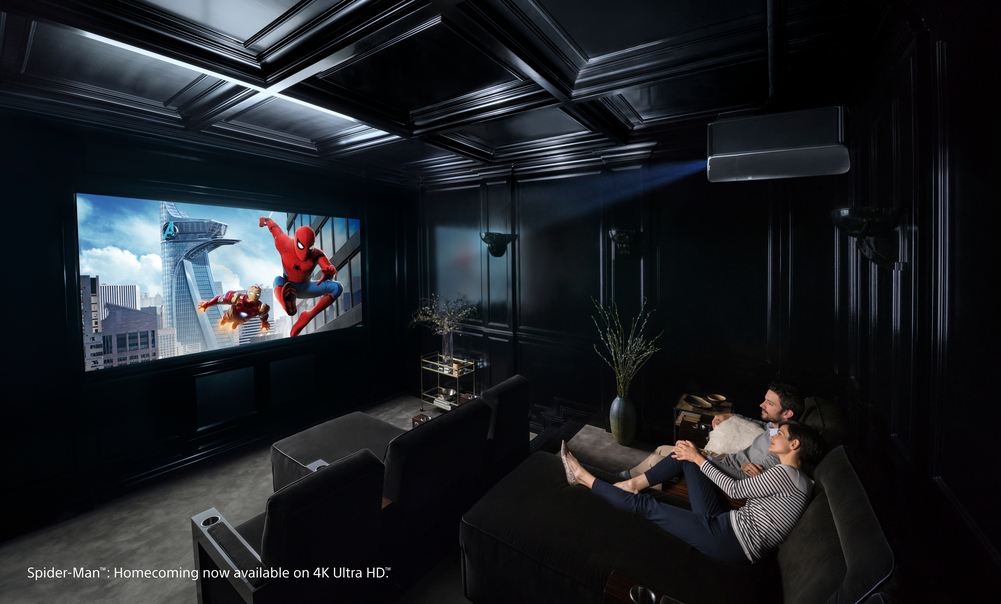
Your home theater was an investment. You made real decisions about the room, the screen size, the sound, and the experience you wanted. But equipment ages. Standards shift. And at some point, what used to feel impressive starts to feel like it's holding you back from what's now possible.
If you've been noticing small frustrations — dialogue that's hard to follow, a picture that looks washed out, or a system that takes several remotes just to start a movie — those signs you’re due for a home theater upgrade. Here’s what to look for and how we use our trademark 3D Process to bring the best in home entertainment to the Lake of the Ozarks.
SEE ALSO: The Ultimate in Home Entertainment: The Customized Home Theater
The Picture Tells On Itself
Today's streaming services and physical media deliver detail that older displays never considered. If your screen can't render true blacks or hold color depth through a bright scene, you're watching a compressed version of what the director intended. High Dynamic Range (HDR) is the standard that governs how a display handles contrast between the brightest highlights and the darkest shadows. Without it, the image flattens. You lose the depth that makes a great picture feel like a window rather than a wall. If you don’t have a display or projector with full HDR capabilities, it’s time to upgrade.
Sound Is the Half People Underestimate
Bad sound is the first thing to take you out of a movie or TV show. Muddled dialogue, thin bass, or audio that seems to come from a single direction rather than from around you are signs that your surround sound hasn't kept pace with new sound mixing standards.
Object-based audio formats like Dolby Atmos place sound in three-dimensional space, so an overhead helicopter or a whispered conversation sounds more natural. But, if your AV receiver isn’t up to decoding those formats, or you don’t have the right speaker layout, you're hearing a subpar version of the original mix.
Control Shouldn't Be a Chore
Toggling between inputs, hunting for the right remote, losing 10 minutes before anyone can start watching. That kind of experience chips away at the whole point of having a dedicated space. It makes you avoid the room over time. A well-designed system runs on a single interface.
Create a Movie scene so with one command, the lights dim, shades drop, and your go-to streaming service pulls up. When the room works that smoothly, it gets used regularly. And you choose what that interface is: remote, touchpad, or voice command.
Where the 3D Process Makes the Difference
3D Smart Homes works through three deliberate phases on every project — Discover, Design, and Deploy — and that structure is what separates a thoughtful upgrade from a simple parts swap. Here is how the 3D Process Plays out:
- The Discover phase is a real conversation about how you use the room, what's frustrating you, and what you're hoping for. That information drives everything that comes after.
- During Design, 3D selects the right components for your specific space, establishes the wiring plan, and builds the programming before anything gets installed.
- By the time the Deploy phase begins, the system has already been preconfigured and tested at 3D's facility, so installation day runs smoothly and disruption to your home remains minimal.
The result is a theater room that performs the way you expected when you first built it, and one prepared to grow with you in the future.
If your current setup has you losing excitement in your home theater, it’s time for an upgrade. Reach out to 3D Smart Homes to schedule your Discovery Meeting and find out what a home theater upgrade looks like when it's done right.